
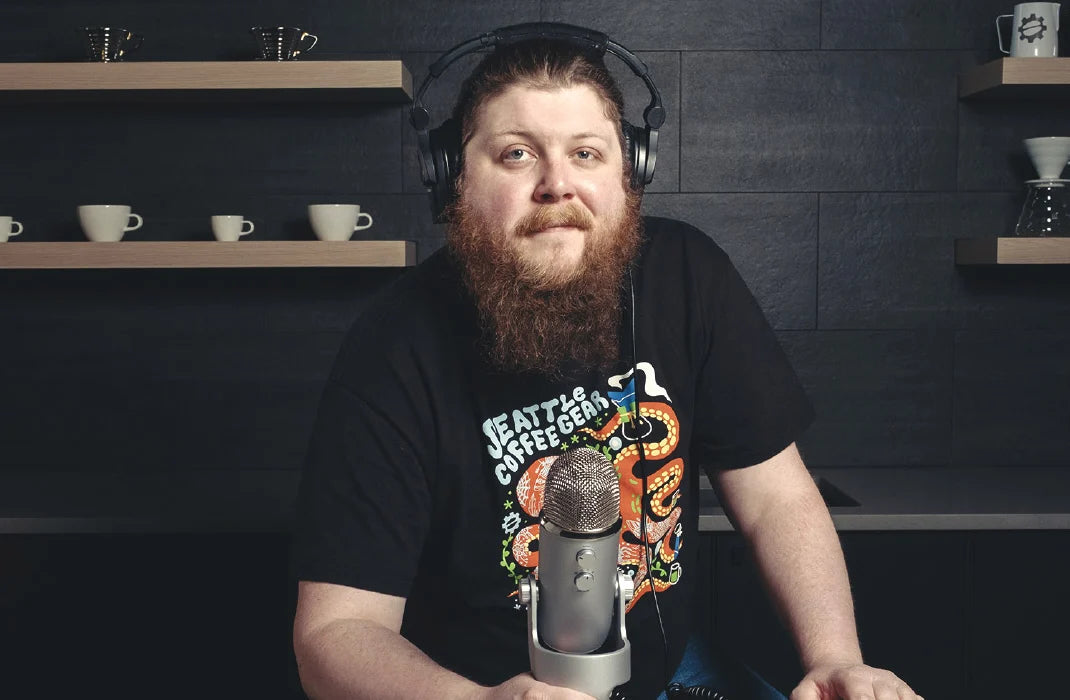

Light roasted coffee beans carry some misconceptions. Many coffee drinkers think of them as weak, under-roasted, sour or flat. This isn't the case at all! Light roasting actually results in the most complex beans you can brew with. A light roast preserves the natural flavors of the bean, resulting in lots of floral, bright, and citrusy notes that you won't find with darker roasted coffee. With that in mind, they're also the hardest to brew perfectly, but we're here to help with that! We'll help you take your light roast pour overs, shots, and brews to the next level so that you can enjoy everything these beans have to offer.
In This Article
Everything You Need to Know About Light Roast — In One Watch
In this video we cover the following points:
- Light roast coffee is brighter and more acidic than a darker roast. This is largely because a lighter touch with roasting preserves more of the natural flavor from the bean.
- As you roast coffee you impart a roastier flavor, similar to making toast! It's important to remember that acidic doesn't mean bad, it's just a different flavor than the earthy, roasty taste of a dark roast.
- Believe it or not, light roasts tend to be more complex than their darker counterparts!
- Lighter roasted coffees can be tricky to brew, because they're denser than dark roasts. This added density can make it tougher to dial in and find the right parameters.
- With that in mind though, the steps to brew light roasted beans are the same, you just need to take care to match the needs of the bean, as brewing with lighter roasts is less forgiving.
What Makes Light Roast Coffee Different?
Because light roasted coffee is roasted for less time, it retains more density. The roasting process naturally roasts off some of the compounds in the bean through simple physical realities of temperature and chemistry. What this means is that the original flavor of the bean is more present in a light roast, resulting in more floral, citrus, and tea-like notes when properly brewed.
As noted previously, light roasted coffee contains more of the acids present in the green bean. While you might think this is problematic and poor tasting (a misconception commonly pushed by "low acidity" coffee roasters), acidic flavors are just another type of taste, not necessarily a bad thing. One other common misconception is that a lighter roast is lower in caffeine, but this is definitely not the case. In fact, lighter roasts tend to have higher caffeine content, though the difference is often negligible.
Explore: Browse our coffee collection — including single-origin light roasts perfect for experimenting with your brew.
Why Does My Light Roast Taste Sour or Off?
You might assume that your lighter roast tastes bad because of the roasting process. This is almost never the case! The #1 reason you may end up with a sour light roasted brew is under-extraction. Because lighter roasts are denser, water has a harder time bonding with the compounds in the ground coffee. There are some ways to correct for this, and sour coffee almost never means bad beans!
Related: Best Coffee Brewing Method for Pre-Ground Coffee — tips on dialing in brew variables for better results.
How to Brew Light Roast the Right Way
Light roast coffee often requires a finer grind, and this is often a good starting point in any process of perfecting brew parameters. Don't over adjust here, but do consider going a few steps finer. Bright coffee also often requires higher temps, as this helps the water bond with compounds in the denser bean. Consider 200–205°F vs. 195–200°F. Finally, it can help to extend your brew time and slow down your pours (when brewing pour over). This will give the water more time contacting the grounds and lead to more uniform extraction.
Gear up: Shop coffee grinders — a quality grinder with fine adjustment is key to dialing in light roast.
Light Roast Flavor Profiles — What You're Actually Tasting
When you nail that brew you really get at the heart of the flavor imparted by the origin of the bean. While tasting notes will vary greatly depending on varietal, origin, and other factors, you'll commonly find flavors like blueberry, pineapple, cranberry, stone fruit, citrus, jasmine, tea, and citrus. You'll find that these brews tend to be very vibrant, and more acidic, as we've noted previously. Learning to brew a balanced cup with a light roast coffee really is one of the best ways to take your hobby to the next level and really geek out on a single origin or other specialty bean!
Frequently Asked Questions
Why does my light roast coffee taste sour?
Sour light roast coffee is almost always caused by under-extraction. Light roast beans are denser than dark roast, so water has a harder time pulling out the flavorful compounds. Grinding finer, increasing water temperature to 200–205°F, and extending brew time will help you achieve a more balanced cup.
Does light roast coffee have more caffeine than dark roast?
Yes, light roast coffee tends to have slightly higher caffeine content than dark roast. The roasting process breaks down some caffeine, so a shorter roast preserves more of it. That said, the difference is often negligible in a typical cup.
What temperature should I use to brew light roast coffee?
For light roast coffee, aim for a water temperature between 200–205°F, which is slightly higher than the 195–200°F range often recommended for dark roasts. The higher temperature helps water bond with compounds in the denser bean for better extraction.
What does light roast coffee taste like when brewed correctly?
When properly brewed, light roast coffee showcases the bean's origin flavors with tasting notes like blueberry, pineapple, cranberry, stone fruit, citrus, jasmine, tea, and honey. The cup will be vibrant and bright with pleasant acidity — not sour or flat.
Should I grind light roast coffee finer than dark roast?
Yes, light roast beans are denser and benefit from a finer grind to increase surface area and improve extraction. Start by going a few steps finer than your usual dark roast setting, but don't over-adjust — small changes make a big difference.
Want to see it in action? Watch the full video on YouTube — and subscribe so you never miss a brew tip.
Ready to Brew Better Light Roast?
Find the right grinder, brewer, and beans to unlock everything light roast has to offer.
Shop Light Roast Coffee Browse Coffee Grinders →
It is clear that the writer of this article is another lover of dark roast who (as one of many) has been “bullied” into thinking light roast is “the way.”
Very informative video. Cant wait to try some of the suggestions. TY