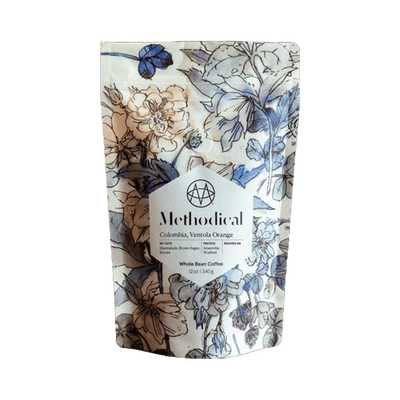
Fruit-Forward Espresso Beans
Find fruit-forward espresso beans for shots that highlight fruity sweetness and bright acidity. Compare tasting notes to choose a flavor profile that suits your palate, and consider how you’ll serve it: straight espresso lets those fruit notes shine, while milk can soften their intensity.
Best Sellers
FAQs
Fruit-forward espresso beans highlight flavors such as berries, citrus, cherries, or stone fruit. These tasting notes generally come from the coffee’s variety, growing conditions, processing, and roasting—not added fruit. Expect a bright, aromatic espresso, with sweetness and acidity that vary from coffee to coffee.
Light and medium roasts often preserve more fruit character, while darker roasts tend to emphasize roasted, chocolatey flavors. Natural processing can bring pronounced berry or ripe-fruit notes, while washed processing often creates a cleaner, more defined brightness. Use tasting notes alongside roast level to guide your choice.
Start with a consistent dose, freshly ground beans, and your machine’s recommended brewing settings. Adjust one variable at a time and taste each shot. A burr grinder with fine adjustments helps you fine-tune extraction, especially with lighter roasts that can take more dialing in.
Pleasant fruit acidity should feel balanced by sweetness; sharp, thin sourness can point to underextraction. Try grinding slightly finer or allowing a little more espresso into the cup. If your machine offers temperature control, a modest increase within its recommended range may also help. Change one setting at a time.
Look for fruit notes paired with chocolate, caramel, or nutty sweetness if you want a balanced starting point. Medium roasts often offer enough body to stand out in milk, while delicate citrus notes may become less noticeable. Berry and stone-fruit notes can add a lively contrast to milk’s sweetness.