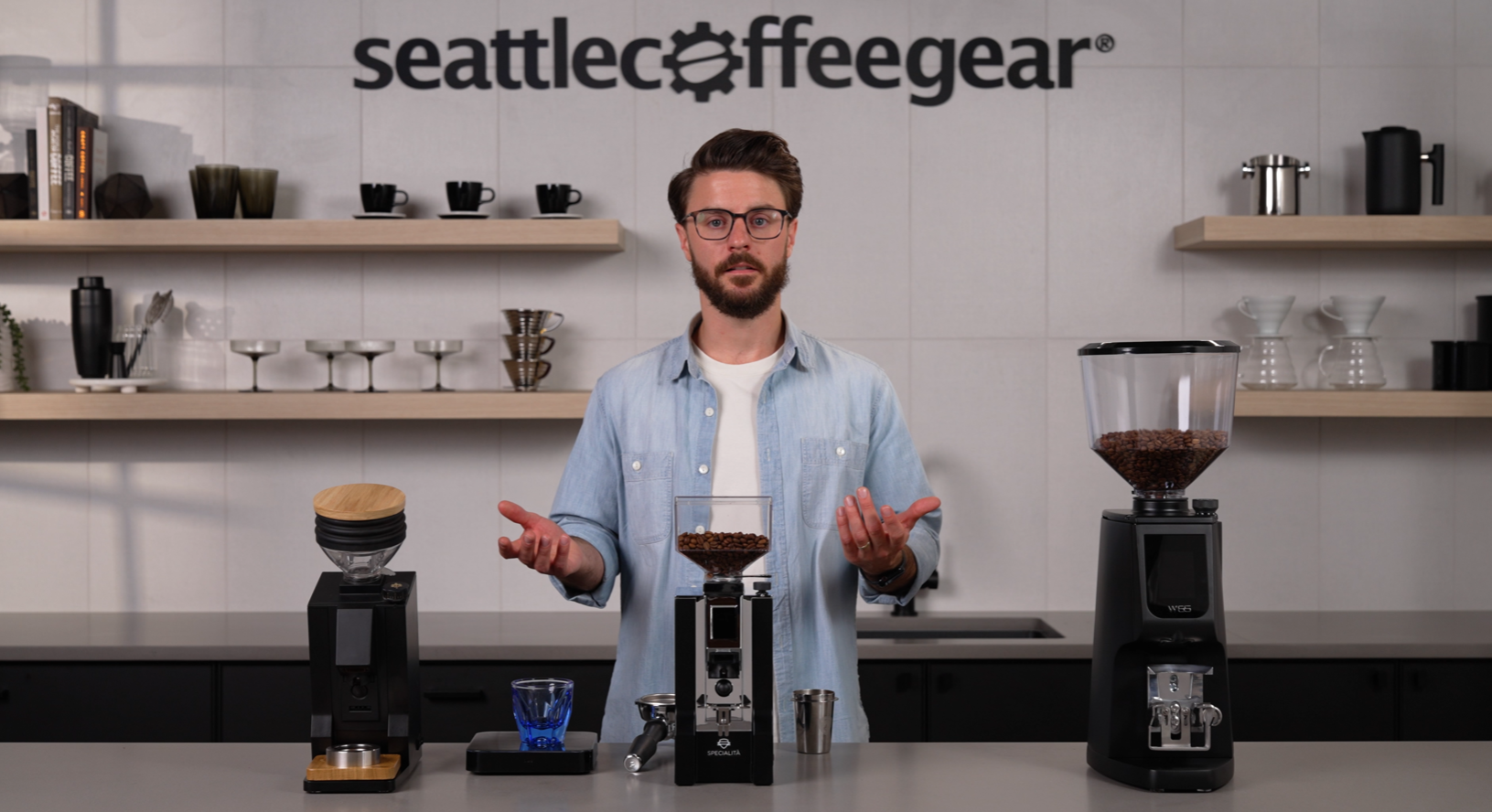
Single-Dose Coffee Grinders For Home Brewing

Single-dose coffee grinders for home brewing let you grind a measured portion of beans for each brew instead of storing coffee in a hopper. Explore options for your home setup, comparing grind adjustment, retention, and ease of cleaning. Whether you brew espresso, pour-over, or both, check each grinder’s recommended uses to find a fit for your brewing method and daily workflow.

Read More
Sort (Featured)
0 ITEMS

FAQs

Single-Dose Coffee Grinders For Home Brewing

Single-Dose Coffee Grinders For Home Brewing give you more control over what goes into your cup, one measured batch of beans at a time. Rather than keeping a hopper filled, you weigh out the coffee you need and grind it just before brewing. That makes this style of grinder a practical fit for homes where coffee preferences change throughout the day: a bright, fruity pour-over in the morning, a richer espresso after lunch, or decaf when the dishes are done. Many single-dose designs emphasize low retention, meaning less ground coffee stays inside the grinder between uses. That can help reduce waste and limit carryover when you switch beans, though low retention does not always mean zero retention. For anyone who enjoys exploring different roasts—or simply wants a more repeatable morning cup—a thoughtfully chosen grinder can make those small adjustments easier to manage.

The right single-dose coffee grinder starts with your preferred brewing method. Espresso requires fine grinding and precise adjustments, especially when you’re working to balance sweetness, acidity, and body. For pour-over, drip coffee, and French press, look for consistent grinding across the settings you’ll actually use, along with an adjustment system that makes returning to a favorite setting straightforward. If your counter hosts both an espresso machine and a filter brewer, check that the grinder supports both methods; not every model handles that full range equally well. Burr design matters, but flat versus conical burrs alone won’t tell you how a grinder will taste or perform. Burr geometry, alignment, and the overall design all play a part. More useful purchase considerations include how precisely you can adjust the grind, how easily the grinder moves between settings, and whether its dosing cup or grounds container fits comfortably into your brewing routine.

Everyday details deserve just as much attention as grind settings. A compact footprint helps on a crowded kitchen counter, but leave room above the grinder to add beans and operate any bellows or lid. Consider the sound of the motor if your first cup happens before the rest of the house wakes up, and check how easily you can reach the burr chamber for routine cleaning. Static and stray grounds can vary with the beans, the grind setting, and the humidity in your kitchen, so a well-designed grounds chute and catch cup can make a noticeable difference in cleanup. Some grinders use bellows or other clearing features to move remaining grounds out of the grinding chamber; follow the manufacturer’s directions to get the most from them. A coffee scale is a useful companion, both for measuring beans before grinding and for checking how much ground coffee reaches your brewer. That quick check can help you spot retained grounds rather than chasing a brewing adjustment that wasn’t needed.

Single-dose grinders suit the home brewer who likes a little involvement in the process without needing a café-sized setup. They’re especially appealing in households where one person favors a chocolatey medium roast and another reaches for a floral light roast, or where regular and decaf share the same brewing space. They can also make a thoughtful gift for someone who already weighs their coffee, keeps a few bags in rotation, or has started noticing how much grind quality affects the cup. Match the grinder to the recipient’s equipment and habits rather than choosing on appearance or specifications alone. Someone who makes a large pot each morning may value dose capacity and easy handling, while an espresso enthusiast may care more about fine adjustment and direct dosing. The best fit is the one that makes coffee preparation feel natural: beans measured, grounds neatly collected, and a familiar favorite—or something new—ready to brew.

Read More