Electric Burr Coffee Grinders
Electric burr coffee grinders help you grind beans consistently and match the grind size to your brewing method. Compare models by grind range, adjustment controls, and bean capacity to find the right fit for your home setup. For espresso, prioritize fine grind adjustments; for drip coffee or French press, look for a range suited to medium or coarse grounds.
Best Sellers
FAQs
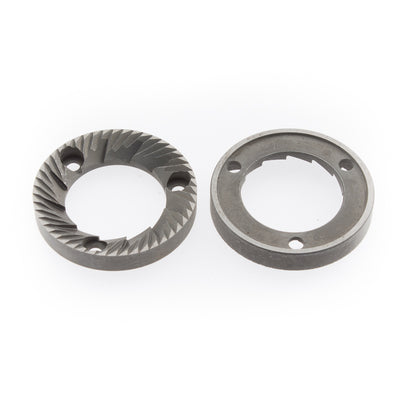
Flat burr grinders use two facing, ring-shaped burrs, while conical burr grinders use a cone-shaped burr nested inside an outer ring. Both designs crush coffee beans between burr surfaces. Burr shape is one part of a grinder’s design, alongside its adjustment system, controls, and coffee delivery path.
Timed grinding runs the grinder for a selected number of seconds rather than measuring the coffee by weight. On models with programmable timers, you can save a grinding duration for repeat use. A separate coffee scale lets you check the actual weight of the ground coffee.
Hopper-fed grinders hold a supply of whole beans above the burrs, ready for grinding throughout the day. Single-dose grinders are designed for adding a preweighed portion of beans each time you brew. These workflows offer different ways to organize your coffee preparation, especially if you frequently switch beans.
Follow your grinder’s manual for removing accessible components and cleaning the burr chamber. A grinder brush can help remove loose grounds from accessible burr surfaces and the grounds chute. Clean removable bins and hoppers as directed, and use grinder-cleaning tablets only if the manufacturer recommends them.
Grind retention refers to ground coffee that remains inside the burr chamber, chute, or other internal spaces after grinding. It can include coffee that exits during a later grinding session. Your grinder’s manual may outline a clearing procedure or explain how to use any built-in grounds-clearing features.