Fair Trade And Organic Coffee
Find fair trade and organic coffee that suits your taste and sourcing priorities. Compare roast levels and tasting notes to narrow your choices, and check individual listings for certification details to confirm whether a coffee meets fair trade standards, organic standards, or both.
Best Sellers
FAQs
Fair Trade certification addresses trading relationships, working conditions, and support for farming communities. Organic certification focuses on farming and handling practices, including soil management and restrictions on most synthetic pesticides and fertilizers. Coffee can hold either certification or both; one does not automatically include the other.
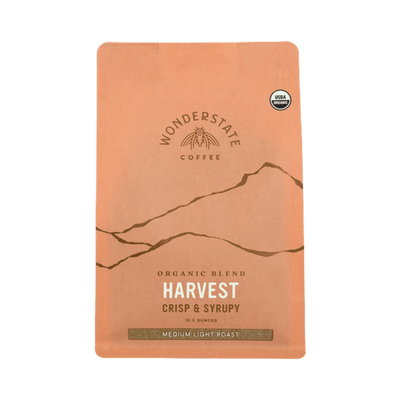
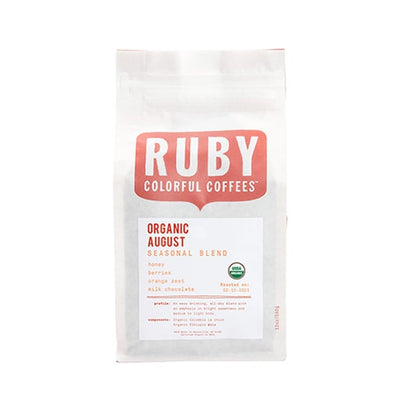
Look for a recognized Fair Trade certification mark and the USDA Organic seal on the packaging, along with certification details in the product description. These are separate certifications, so check for both if both matter to you. Terms such as “natural” or “responsibly sourced” do not establish either certification on their own.
Neither certification guarantees a specific flavor profile. Coffee variety, origin, processing method, roast level, and freshness all influence what you taste. Use tasting notes and roast descriptions to find the chocolatey, nutty, fruity, or floral characteristics you enjoy.
Yes. These certifications do not limit your brewing method. Choose a grind suited to your equipment—typically fine for espresso, medium for drip, and medium-fine to medium-coarse for pour-over—and adjust from there based on taste and brew time.
Keep your beans in an airtight container in a cool, dry cabinet away from sunlight and heat. Grind just before brewing to preserve aroma and flavor. The same storage practices apply whether your coffee is Fair Trade certified, organic certified, or both.