Single-Origin Coffee Beans For Home Brewing

Explore single-origin coffee beans for home brewing and find a coffee that suits your taste and brew method. Shop whole bean coffees by origin, roast level, and tasting notes to compare flavor profiles, from bright and fruit-forward to rich and chocolatey. Use those details to choose beans for your pour-over, drip coffee maker, or French press.
Read More
Sort (Featured)
0 ITEMS

FAQs

Single-Origin Coffee Beans For Home Brewing

Single-origin coffee beans for home brewing offer a way to explore how a coffee’s growing region, processing method, and roast shape the flavor in your cup. Unlike blends that combine coffees from multiple sources, single-origin coffees come from one identified origin, which may be a country, region, farm, or cooperative. That designation does not always mean a single estate or harvest, so the origin details on each bag can help you understand what you’re choosing. These coffees appeal to home brewers who want to discover distinctive flavor profiles, compare growing regions, or find a coffee that suits their favorite brewing method. Origin is a useful starting point, but roast level, processing information, and tasting notes give you a fuller picture of what to expect.

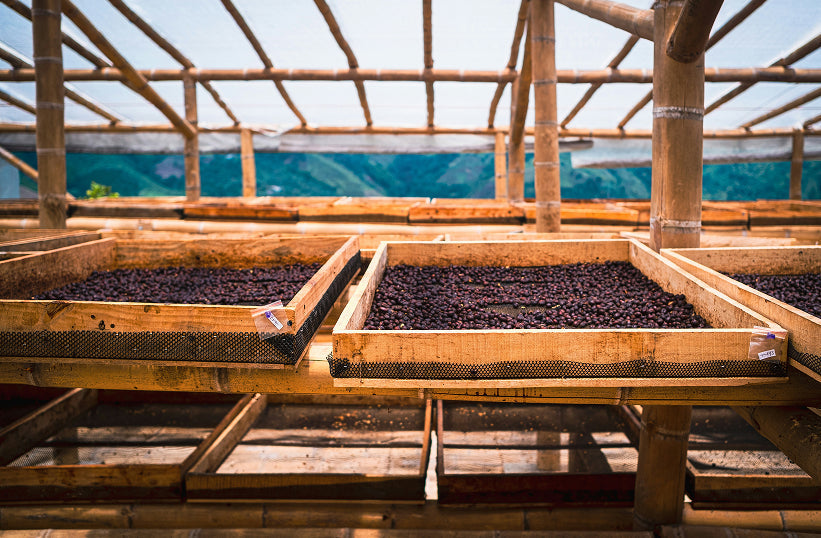
Choose single-origin beans by the flavors you enjoy rather than geography alone. Tasting notes describe flavors and aromas associated with the brewed coffee; they do not necessarily indicate added ingredients. Notes of citrus or berries can suggest a brighter, fruit-forward cup, while chocolate or nut notes can point toward a rounder flavor profile. Lighter roasts often emphasize acidity and origin character, while darker roasts tend to bring more roast-driven flavors and less pronounced acidity. Processing also influences the result: washed coffees often offer clear, well-defined flavors, while naturally processed coffees can have more prominent fruit character and a fuller body. These are general tendencies rather than guarantees, and coffees from the same country can taste quite different. Reading the available details together helps you narrow the selection without assuming that every coffee from a region will brew alike.

Your brewing equipment and preferences matter just as much as the origin on the label. Pour-over brewers with paper filters can highlight clarity and delicate aromas, while French presses generally retain more oils and produce a heavier-bodied cup. Automatic drip brewers make single-origin coffee an approachable everyday option, and an espresso machine can bring its distinctive flavors into a concentrated shot. Some lighter-roasted coffees take more adjustment to extract evenly as espresso, making roast level an especially useful consideration if you prefer a straightforward setup. For any method, grinding whole beans shortly before brewing with a consistent burr grinder helps you get more from the coffee. If a cup tastes sharply sour or drying and bitter, adjusting grind size or extraction time may improve the balance before you decide the beans aren’t for you.

When comparing bag sizes, consider how much coffee you brew and how quickly you’ll use it. A smaller bag can make sense when you’re trying an unfamiliar origin, while a larger bag may suit a household that already knows its preferences. Check roast dates and storage guidance when available, and keep beans in a well-sealed container away from heat, light, and moisture. For a gift, match the coffee to the recipient’s usual roast preference and confirm that they have a grinder if you’re choosing whole beans. Whether you’re refining a daily drip brew or exploring the nuances of pour-over, the best choice is a single-origin coffee whose flavor profile fits your taste and whose brewing needs work with your home setup.
Read More