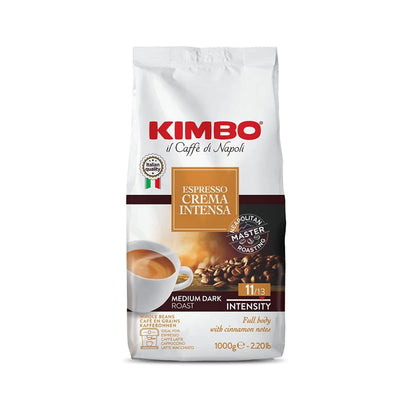
Sweet Coffee Beans For Espresso
Find sweet coffee beans for espresso by comparing whole bean coffees with flavor profiles that suit your taste. Tasting notes such as caramel, chocolate, or ripe fruit can help you identify the kind of sweetness you enjoy—they describe flavor, not added sugar. Consider roast level alongside those notes to choose beans for straight espresso or milk-based drinks.
Best Sellers
FAQs
Coffee variety, growing conditions, processing, and roasting all shape perceived sweetness. Beans with balanced acidity and gentle bitterness can bring out flavors reminiscent of caramel, chocolate, or ripe fruit. On unflavored coffee, these tasting notes describe the coffee’s character—not added sugar.
Medium roasts are a great starting point for balanced espresso with caramel, chocolate, and nutty notes. Lighter roasts often highlight fruit-forward sweetness and brighter acidity, while darker roasts emphasize roasted flavors and can taste more bitter. Use tasting notes alongside roast level to guide your choice.
Look for notes such as milk chocolate, caramel, honey, brown sugar, or ripe fruit. Chocolate and caramel profiles are approachable choices for classic espresso, while berry and stone-fruit notes offer a brighter direction. These descriptions are flavor signposts, not a promise that espresso will taste sugary.
Either can offer a sweet flavor profile. Blends often combine coffees for balanced chocolate, nut, and fruit notes, while single-origin coffees highlight a particular region or producer’s character. Start with the listed tasting notes rather than assuming one category will taste sweeter.
Use an espresso-capable burr grinder and make small adjustments, tasting between shots. If espresso tastes sharply sour and flows quickly, try a finer grind. If it tastes harsh and bitter and flows slowly, try a coarser grind. Keep your dose and espresso output consistent while adjusting.