Washed vs. Natural Coffee: Compare Flavor And Process
Washed vs. Natural Coffee: Compare Flavor and Process to discover how the journey from coffee cherry to cup shapes every sip. The way coffee beans are processed can dramatically influence their taste, aroma, and body, creating a world of difference in your daily brew. Whether you’re chasing bright, clean flavors or rich, fruit-forward notes, understanding washed and natural methods will help you choose beans that match your palate. Dive into the key differences between these processing styles and find out how each one can elevate your coffee experience at home.
Best Sellers
FAQs
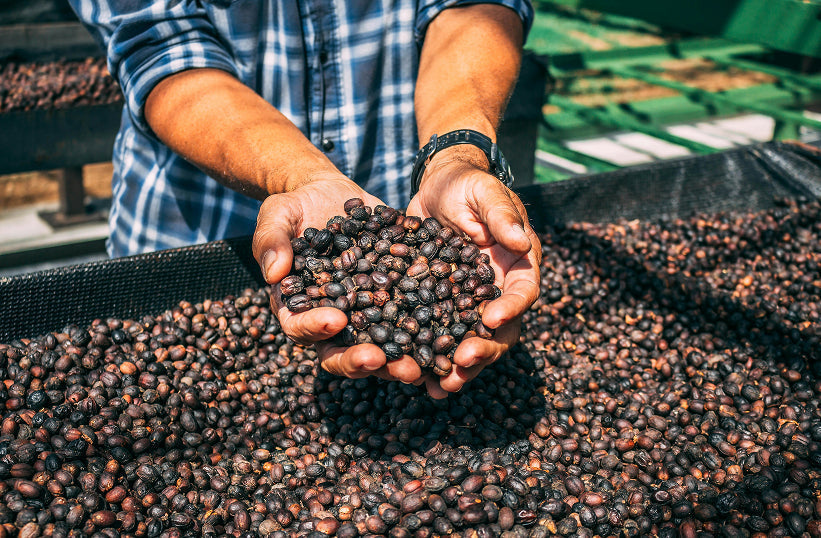
Washed (or wet) processing removes the coffee cherry’s fruit before drying the beans, resulting in a cleaner, brighter cup. Natural (or dry) processing leaves the fruit on during drying, which imparts more body and fruity sweetness to the final flavor profile.
Washed coffees tend to have crisp acidity, pronounced clarity, and delicate floral or citrus notes. Natural coffees are often fuller-bodied with bold fruit flavors—think berry or tropical fruit—and a heavier mouthfeel.
Washed coffees shine in pour-over and drip methods that emphasize clarity and acidity. Natural coffees excel in immersion brewers like French press, as well as in espresso, where their rich body and fruity notes can stand out.
Both can make excellent espresso! Washed coffees offer a bright, clean shot with lively acidity, while naturals deliver sweeter, fruit-forward shots with more crema. Your choice depends on your preferred flavor experience.
Neither process is inherently superior—both can yield exceptional specialty coffees. The choice comes down to personal taste preferences and how each process highlights different aspects of a coffee’s origin and variety.