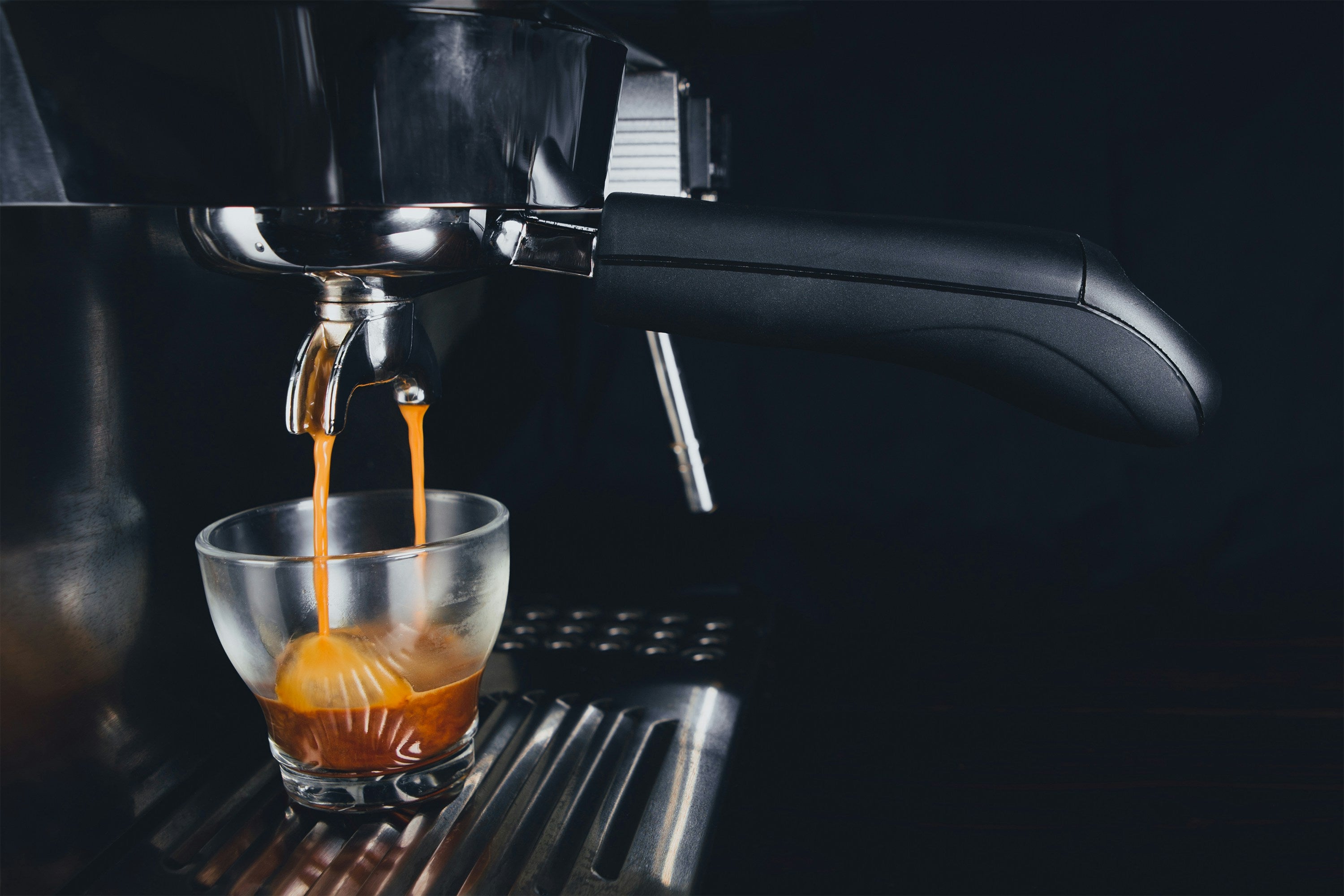
Heat Exchanger Espresso Machines
Heat exchanger espresso machines let you brew espresso and steam milk at the same time, making them a practical choice for latte and cappuccino lovers. This single-boiler design heats brewing water through a separate heat exchanger. Compare machine size, controls, and temperature-management needs to find a setup that fits your counter space and home coffee routine.
Best Sellers
FAQs
A heat exchanger espresso machine uses a steam boiler with a separate passage that heats fresh water for brewing espresso. Brew water stays separate from the water stored in the boiler. This design supports both espresso brewing and milk steaming without switching between dedicated heating modes.
Yes. Heat exchanger espresso machines are designed to brew espresso and steam milk at the same time, making them a convenient choice for preparing lattes and cappuccinos at home. If you’re still learning, you can also brew first and steam afterward while practicing each step.
Some heat exchanger machines need a brief cooling flush after sitting idle because water in the brew pathway can become hotter than intended for brewing. Flush recommendations vary with the machine’s design and temperature controls. Check your owner’s manual for the recommended procedure rather than using a fixed flush time.
Choose an espresso-capable burr grinder with fine grind settings and small adjustment steps. These controls let you dial in your grind as your beans age or when you switch coffees. A grinder designed mainly for drip coffee may not offer the adjustment range needed for espresso.
Wipe and purge the steam wand after each use, rinse the portafilter and basket, and clean the drip tray regularly. Clean the group head and backflush only as directed by the manufacturer. Follow your machine’s guidance for cleaning products, water treatment, and descaling, since requirements vary by model.