Organic And Fair Trade Coffee
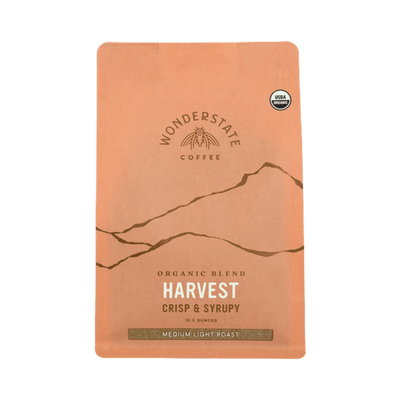
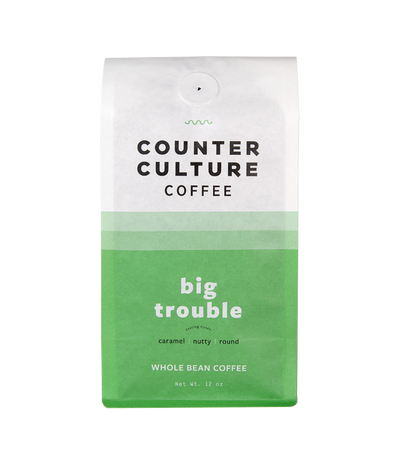
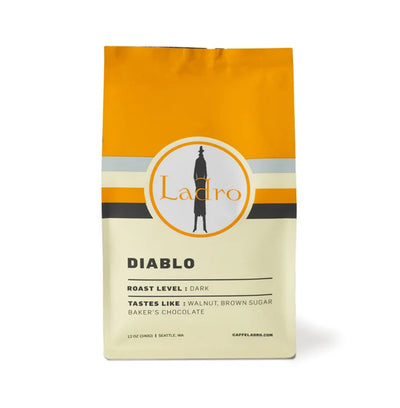
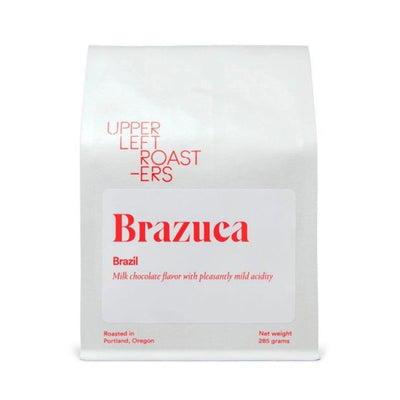
Shop organic and Fair Trade coffee with your flavor preferences and sourcing priorities in mind. Organic labels focus on growing practices, while Fair Trade labels address trading standards. Check each coffee’s product details for applicable certifications, roast descriptions, and tasting notes to find an option that suits your next brew.
Best Sellers
FAQs
Organic certification covers how coffee is grown, handled, and processed. USDA Organic standards restrict most synthetic pesticides and fertilizers and prohibit genetic engineering. Look for an organic certification label rather than relying on terms like “natural,” which do not establish organic certification.
Organic certification focuses on agricultural and processing practices. Fair Trade certification addresses standards for trading relationships, working conditions, and environmental practices, with requirements varying by certification program. Coffee can carry either certification or both, so check the labels if you want organic and Fair Trade coffee.
Start with the roast level and tasting notes. Light roasts often highlight bright, fruity, or floral flavors, while darker roasts tend toward bold, roasty notes. Medium roasts often offer a balance of sweetness and roast character. Certification alone does not determine flavor, so use the coffee’s description to guide your choice.
Yes—organic and Fair Trade certifications do not limit the brewing method. For a traditional espresso machine, use an espresso-capable grinder and adjust the grind to suit your equipment. For an automatic espresso machine, follow the manufacturer’s guidance on bean selection, especially regarding oily beans.
Keep whole bean coffee in a well-sealed, opaque container in a cool, dry spot away from sunlight and heat. An original bag with a resealable closure and one-way valve also works well. Grind just before brewing to help preserve the coffee’s aroma and flavor.