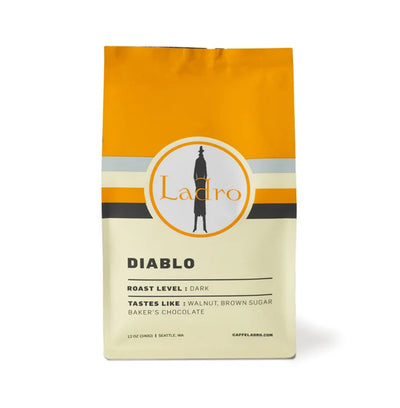
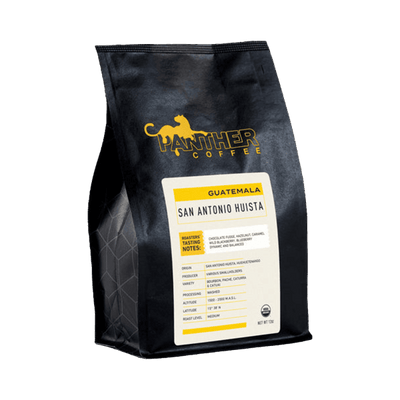
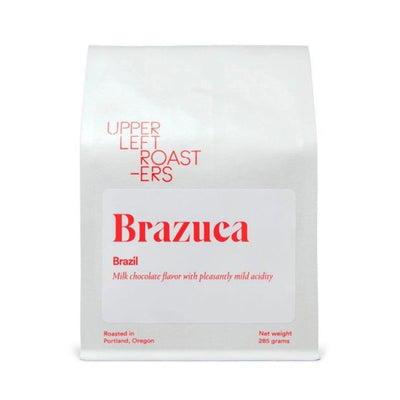
Direct Trade Espresso Beans
Shop direct trade espresso beans with a focus on sourcing relationships between roasters and coffee producers. Compare roast descriptions and tasting notes to choose whole bean coffee that fits your flavor preferences, whether you enjoy espresso on its own or with milk.
Best Sellers
FAQs
Direct trade espresso beans come from sourcing relationships between coffee roasters and producers, often with an emphasis on quality, communication, and transparency. Direct trade is not a universal third-party certification, so practices vary. Look for a roaster’s explanation of its producer relationships to better understand how the coffee is sourced.
No. Direct trade describes a sourcing approach, not whether a coffee is a single-origin offering or a blend. Single-origin espresso highlights coffee from a defined location, while blends combine coffees to create a particular flavor profile. Either can include directly traded beans.
Start with the flavors you enjoy. Lighter roasts often highlight bright fruit and floral notes, medium roasts commonly balance sweetness and acidity, and darker roasts tend toward deeper roasted flavors. Direct trade does not indicate roast level, so check the roaster’s tasting notes and roast description before choosing.
Use an espresso-capable grinder and start with your machine’s recommended settings. Keep your preparation consistent and adjust one variable at a time. If the shot flows too quickly, try a finer grind; if it flows too slowly, try a coarser grind. Taste each adjustment, since different coffees may need different settings.
Keep whole beans in an airtight container or their resealable coffee bag, away from heat, light, and moisture. A cool, dry cabinet works well. Avoid storing beans beside your espresso machine or in the refrigerator, where temperature changes can introduce condensation. Grind just before brewing to preserve aroma.